Money That Moves by the Second

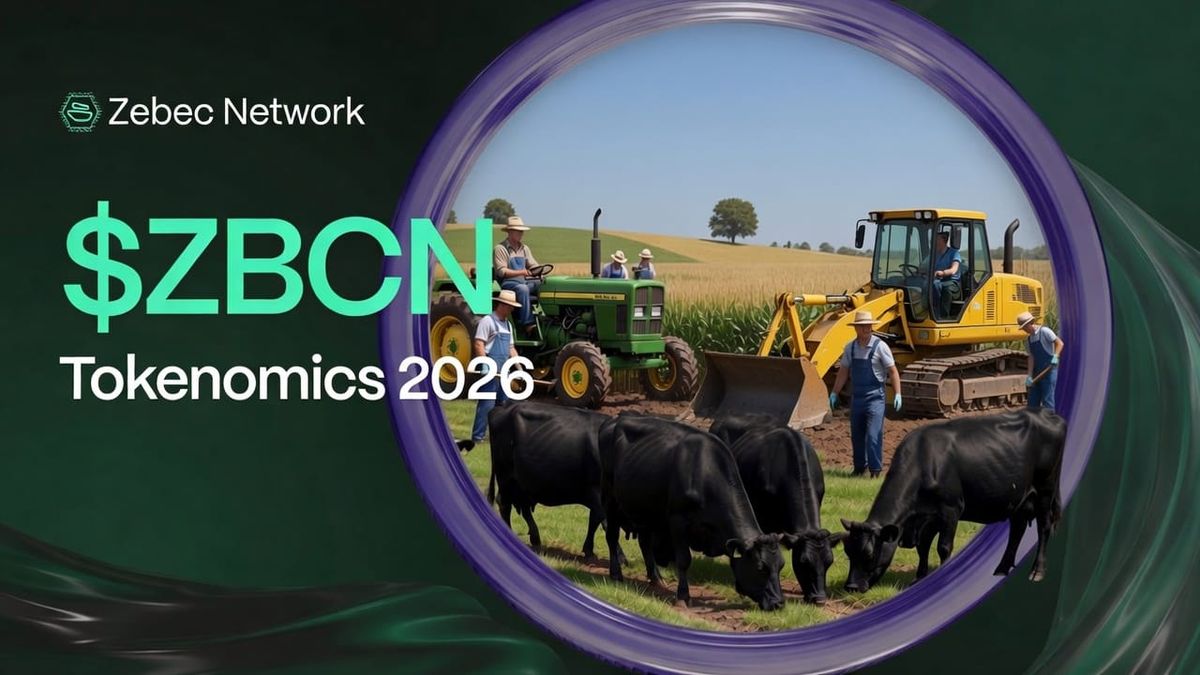
How continuous payment technology could change ranching and excavation
Most people still think of Bitcoin as a kind of digital coin you can hold. It is not. Bitcoin, and the technology behind it, is code — a shared digital ledger that records value moving from one place to another without a bank in the middle. The same underlying idea is now being used for something far more practical than digital gold: continuous, real-time payments.
Instead of waiting days or weeks for a paycheck, an invoice, or a cattle check to clear, money can now flow by the second or by the minute. This is not science fiction. Companies such as Zebec Network have already built working systems that let businesses stream payments continuously, the same way a water pipe delivers a steady flow instead of dumping everything at once.
For people in agriculture and excavation, this matters because both industries run on delayed money.
The Cash-Flow Problem You Already Know
A rancher raises steers for months, pays for feed, fuel, labor, and water along the way, then waits for the sale. An alfalfa grower cuts and bales hay, then waits for the buyer’s check. An excavation crew finishes the dirt work or grading and then waits 30 or 60 days for payment. Workers often wait two weeks for a paycheck even though the work was done yesterday.
Continuous payment technology flips that model. Once both sides agree on the terms, money can start moving as value is created.
How It Works in Plain Language
Think of a smart contract as a digital agreement that runs by itself. You set the rules once — “pay this amount every hour while the work continues” or “release money as the steers gain weight.” The system then executes those rules automatically. The money is usually held in stablecoins (digital dollars that stay close to one dollar in value) so the amount does not swing wildly like Bitcoin sometimes does.
Workers or suppliers can also receive a payment card linked to the stream. The moment money arrives, they can spend it at ordinary stores, gas stations, or feed suppliers. No extra conversion steps are required in many cases.
What This Could Look Like on a Ranch
Livestock (steers): A feedlot or buyer and a rancher agree that as animals gain weight, a portion of the final sale price streams to the ranch every day or every few days. Simple scale readings or RFID tags can trigger the payments. The rancher no longer has to finance the entire feeding period out of pocket while waiting for one big check.
Alfalfa and hay: As hay is cut, tested, and delivered, payments can flow continuously instead of arriving weeks later. Cash is available to cover fuel, labor, and equipment when it is needed.
Labor: Ranch hands and seasonal workers can receive wages that stream daily or even hourly. They no longer wait two weeks to buy groceries or pay bills.
Water: In areas where water is metered or shared, usage can trigger small, automatic payments to irrigation companies or other rights holders. This makes temporary transfers and shared systems more transparent and faster to settle.
What This Could Look Like in Excavation
A general contractor funds a project account. As work is verified — dirt moved, grade checked, utilities trenched — payments stream automatically to the subcontractors and suppliers who did the work. Crews can receive daily streams instead of bi-weekly checks. Material and equipment suppliers get paid as deliveries are accepted on site rather than waiting through long invoice cycles.
The result is fewer cash-flow crises for smaller operators and less pressure on workers who live paycheck to paycheck.
Buying the Token Even If You Never Use the Product
Some people buy the company’s digital token (ZBCN) even if they never plan to use the payment system themselves.
Here’s the simple idea behind it:
If more ranches, excavation companies, and other businesses start using this continuous payment technology, the whole network becomes more valuable. When that happens, the digital token tied to the network can go up in price — the same way a share of stock in a growing company can rise.
You are not buying a physical coin. You are buying a small digital piece of the network itself. People who buy it are betting that the technology will be used more in the real world over time.
Of course, the opposite can also happen. If the technology does not catch on, or if the wider digital asset market falls, the token can lose a lot of its value. Buying any of these tokens is risky. You can lose money. It is completely different from actually using the payment tools in your own business.
This Is Already Real
This technology is not theoretical. You can look at it yourself in a few minutes:
- Go to zebec.io
- You will see live product pages for real-time payroll, payment cards, and a mobile app.
- There is a “For Business” section where companies can contact the team about setting up payroll or continuous payments.
- The network already works with real businesses and moves hundreds of millions of dollars in payments each year.
- The payment cards work at regular stores through the Mastercard network in many countries.
You do not need to understand code or buy any token to examine the products. The basic tools for streaming wages or continuous settlement already exist and are being used by real companies today. Custom connections (such as linking livestock scales or job-site milestones) would take more work, but the foundation is already operating.
Why This Fits the Bigger Picture
Data centers are being built at massive scale because the world is moving more of its record-keeping and value transfer onto shared digital systems. Tokenizing an asset simply means creating a digital representation of it on that system — a steer’s weight gain, a hay delivery, a completed excavation milestone, or a water right. Once something is represented digitally with clear rules, money can move against it in real time.
Most people in agriculture and excavation have not been shown this clearly. The technology is still new, and the language around it is often confusing. But the core idea is simple: money does not have to sit still while value is being created.
Like any new tool, continuous payments require careful setup, clear agreements, and attention to taxes and regulations. It will not solve every problem. Yet for industries that have long suffered from delayed payments, the ability to move money as value is created is a meaningful change.
The economic rails of the world are being rebuilt. Understanding that Bitcoin is code, not a physical coin, is only the first step. The more useful question for ranchers and dirt movers is this: once money can move continuously, how should the everyday business of raising cattle, growing hay, or moving earth change?
That is the conversation worth having.
Next in the series: We will look at what a digital token actually is — and why most of them are closer to project shares than to money.
Bear Lake TV will keep following how these tools meet the real work of the Bear River country.