Masterclass Guide: Navigating the Bear Lake Cutthroat Trout Comeback
Discover the Bear Lake cutthroat trout — the native “bluenose” predator making a powerful comeback. Get pro fishing tactics, seasonal tips, regulations & the full recovery story.

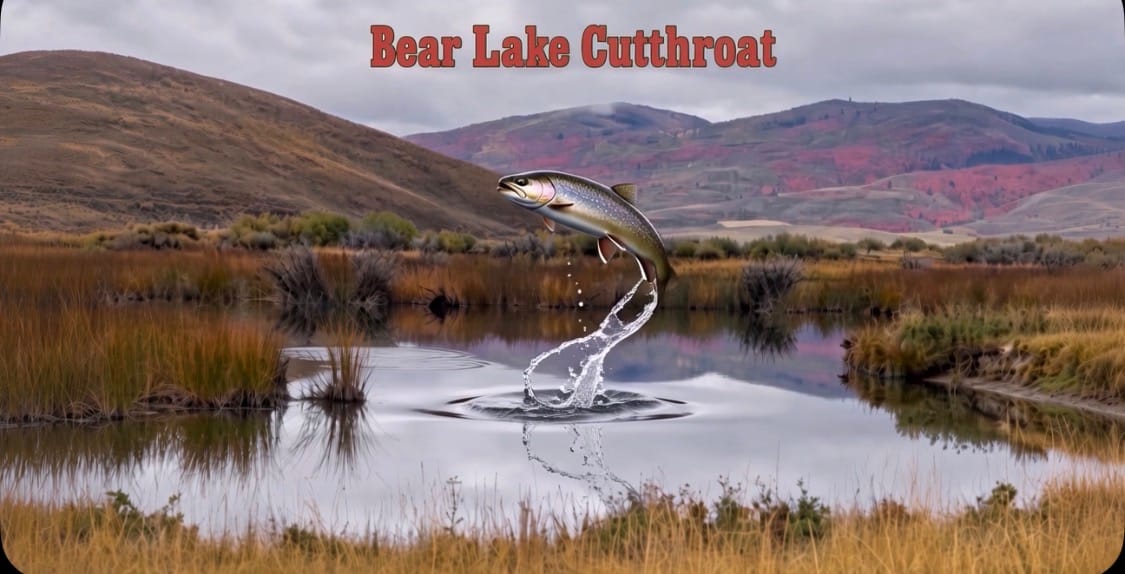
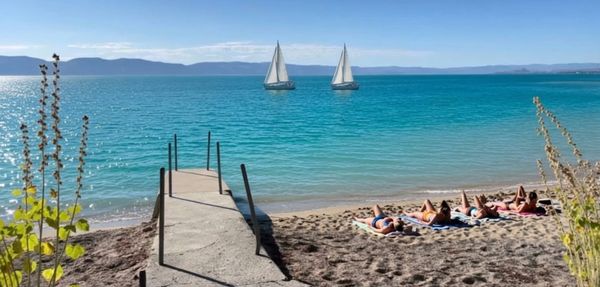
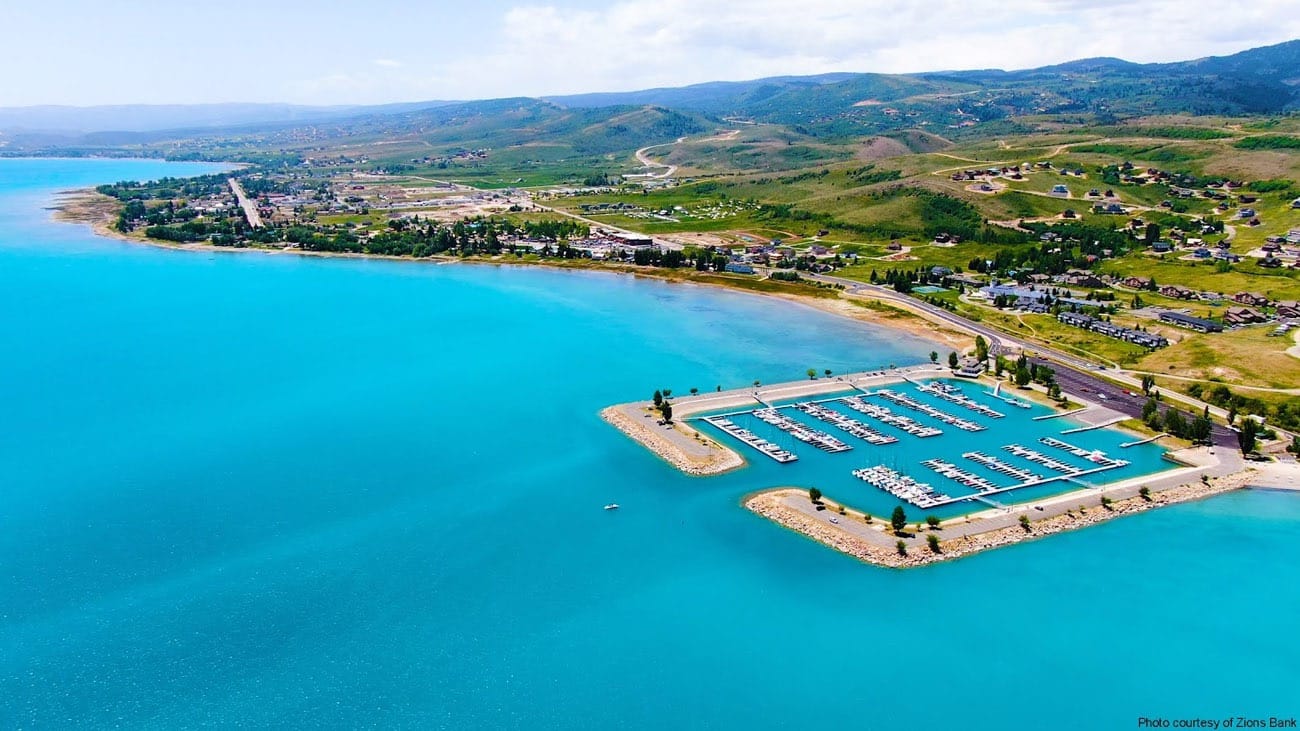
Bear Lake’s famous turquoise water is more than a scenic backdrop. Hidden beneath the surface is one of the West’s most distinctive native trout — the Bear Lake cutthroat (Oncorhynchus clarkii utah). This is not just another game fish. It is the original apex predator of a rare high-desert lake ecosystem and the centerpiece of a major regional conservation success still unfolding on the Utah-Idaho border.
An Evolution Shaped by Ancient Geology
Genetic evidence shows the Bear Lake cutthroat is more closely related to Yellowstone cutthroat trout than to other Bonneville cutthroat populations. Roughly 20,000 years ago, volcanic activity and landscape shifts redirected the Bear River, isolating this population from the Snake River drainage.
The fish adapted to life in deep, cold, nutrient-poor waters while retaining the need to migrate into clear tributary streams to spawn. The result is a classic adfluvial life history:
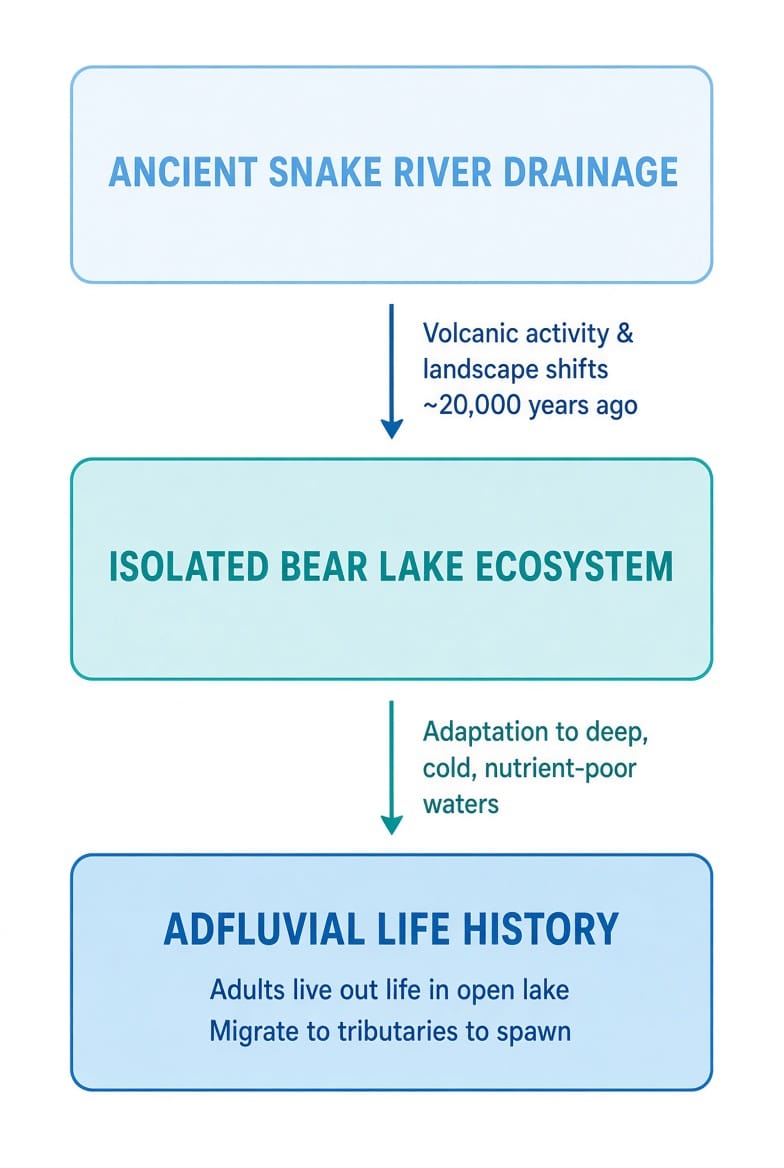
Adults spend most of their lives in the open lake and only enter streams such as Swan Creek, St. Charles Creek, and Fish Haven Creek during the spring spawning run.
Species Profile: Appearance & Behavior
The “Bluenose” Look
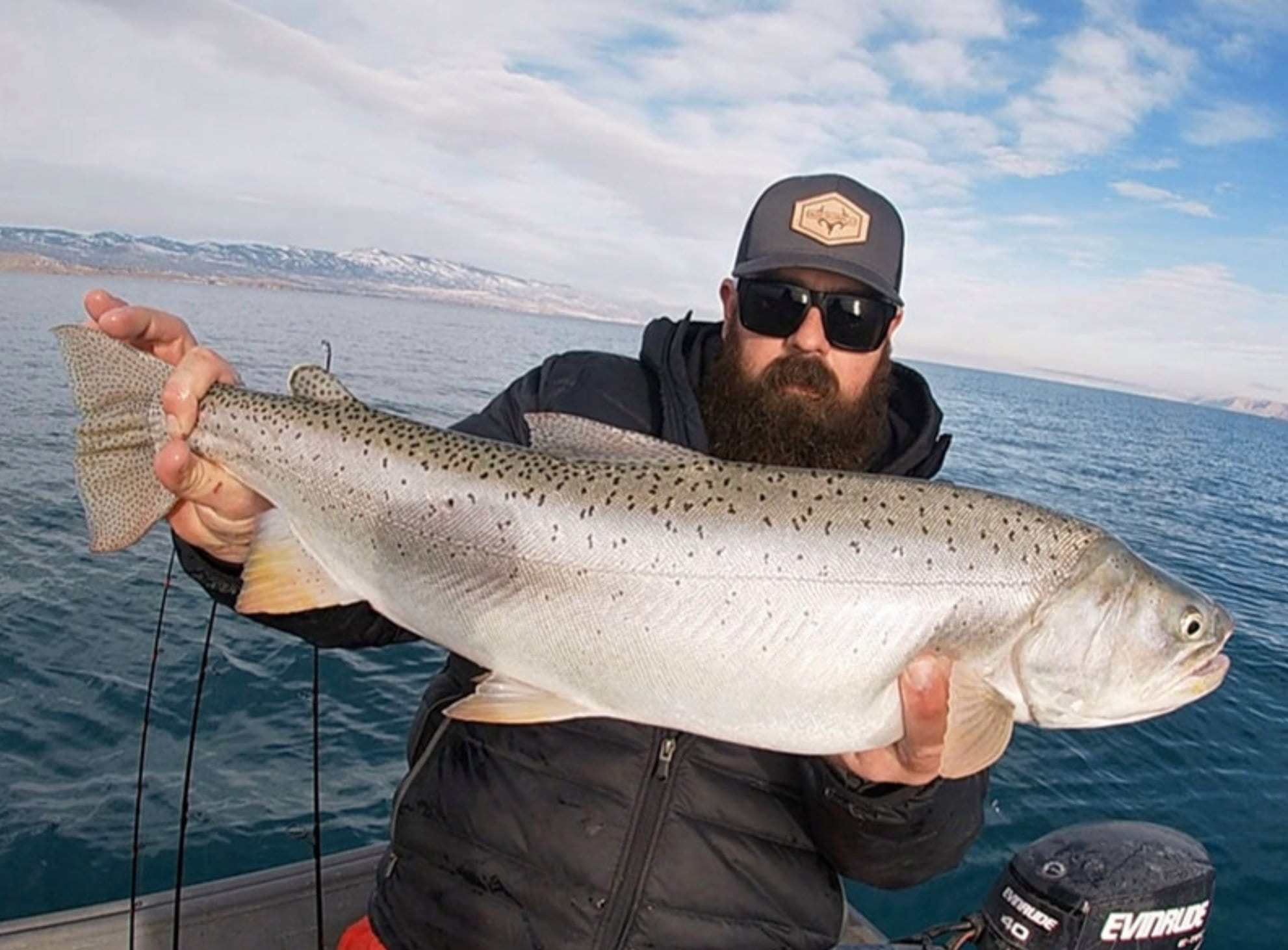
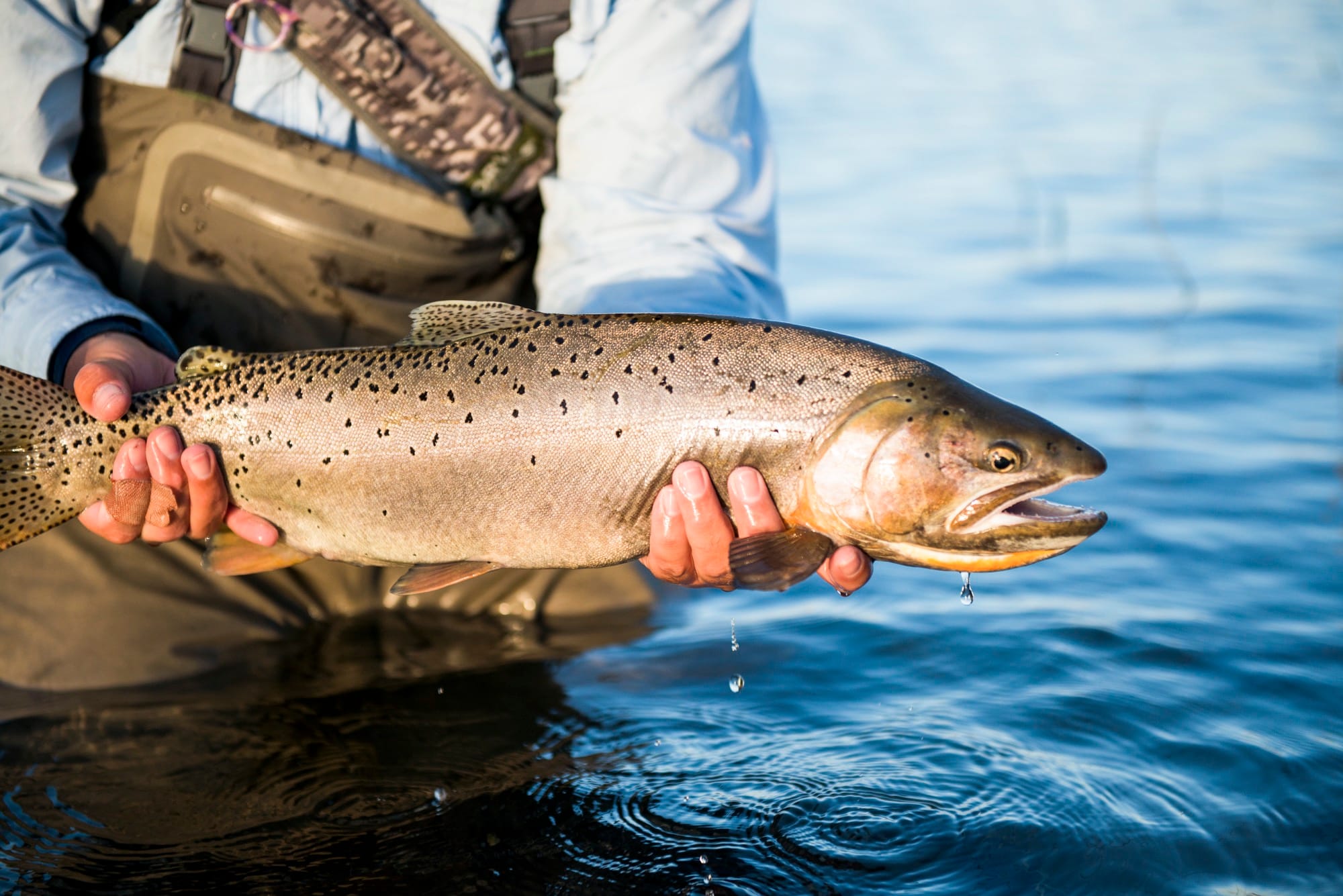
Lake-dwelling adults are typically silvery with a distinctive bluishLake-dwelling adults are typically silvery with a distinctive bluish or azure cast across the head and back — the origin of the old local nickname “bluenose.” Spots are usually sparse and irregular. The classic red-orange cutthroat slash under the lower jaw is present but often faint in open-water fish. Stream-resident fish tend to show denser spotting and richer color. or azure cast across the head and back — the origin of the old local nickname “bluenose.” Spots are usually sparse and irregular. The classic red-orange cutthroat slash under the lower jaw is present but often faint in open-water fish. Stream-resident fish tend to show denser spotting and richer color.
Predatory Lifestyle
Once they reach roughly 9 inches, Bear Lake cutthroat become strongly piscivorous. Their primary prey includes the lake’s endemic Bonneville cisco and Bear Lake sculpin.
Growth & Longevity
In the oligotrophic waters of Bear Lake, these trout grow slowly but live a long time — often 12 to 14 years. Historical accounts mention fish exceeding 20 pounds. Idaho’s certified-weight record for the Bonneville strain (18.94 pounds) was caught in Bear Lake in 1970. Utah’s catch-and-release length record is a 31-inch fish taken on the lake in 2021.
The Great Recovery: A Local Conservation Triumph
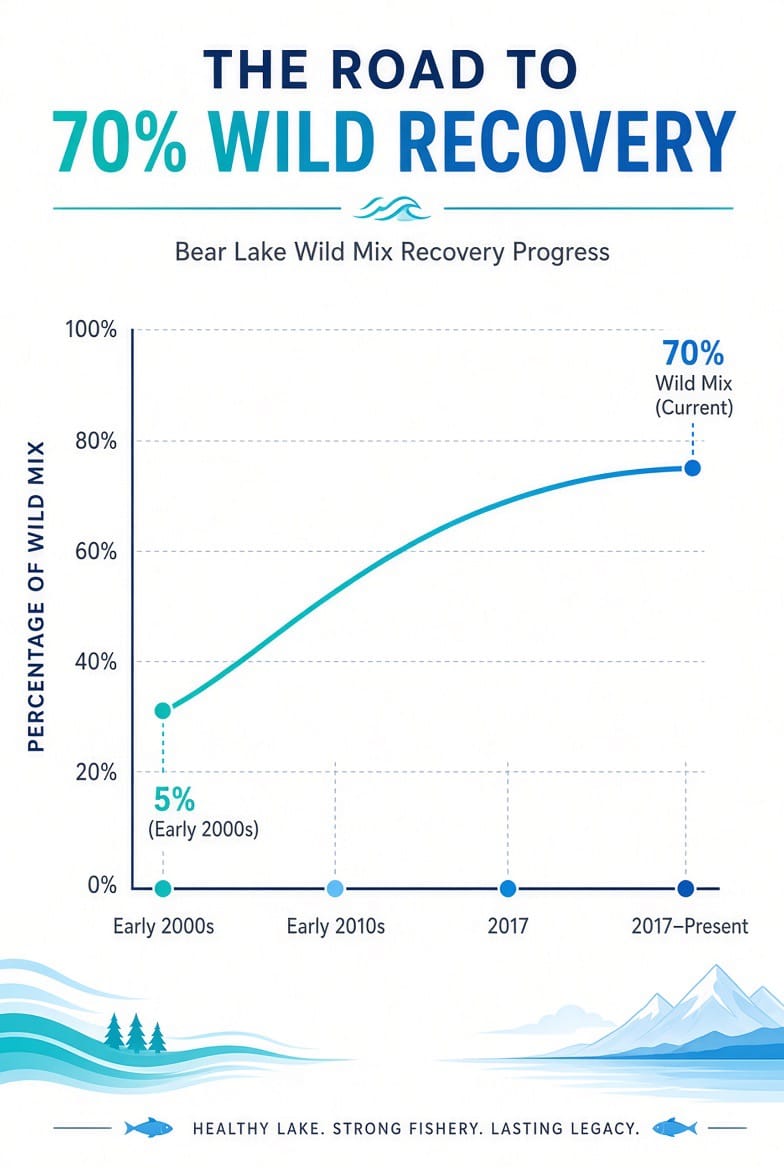
By the mid-20th century the population had nearly collapsed under commercial fishing pressure, unscreened irrigation diversions that blocked spawning access, and widespread stream degradation. Hatchery supplementation began in the 1970s, yet natural reproduction remained extremely low — hovering around just 5% wild fish into the early 2000s.
A multi-decade, cross-border collaboration reversed the decline. Key actions included:
• Installing fish screens on dozens of irrigation diversions
• Removing or modifying migratory barriers and replacing problem culverts
• Restoring habitat in major spawning streams (Swan Creek, St. Charles, Fish Haven, and others)
As natural recruitment improved, hatchery stocking was scaled back. By 2017 wild-origin fish made up roughly 70% of the population. The recovery earned a national award from the American Fisheries Society in 2023. Today anglers can once again keep wild (unclipped) cutthroat.
Bear Lake TV Fishing Map Blueprint
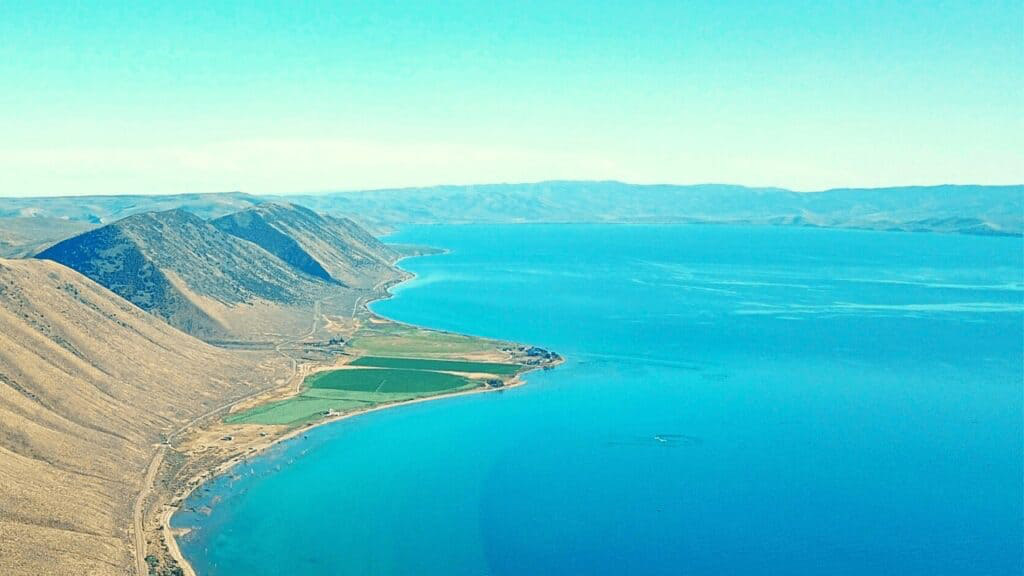
Proven high-percentage zones include:
West Side
- Artificial rock piles just north of the Utah State Park Marina
- Shoreline structure from Swan Creek north toward Fish Haven
East Side
- Deep drop-offs and sediment deltas around North Eden and South Eden
South & Structure
- Large submerged rock piles off Ideal Beach
- First Point and Second Point
These areas consistently produce across seasons when fished at the correct depth.
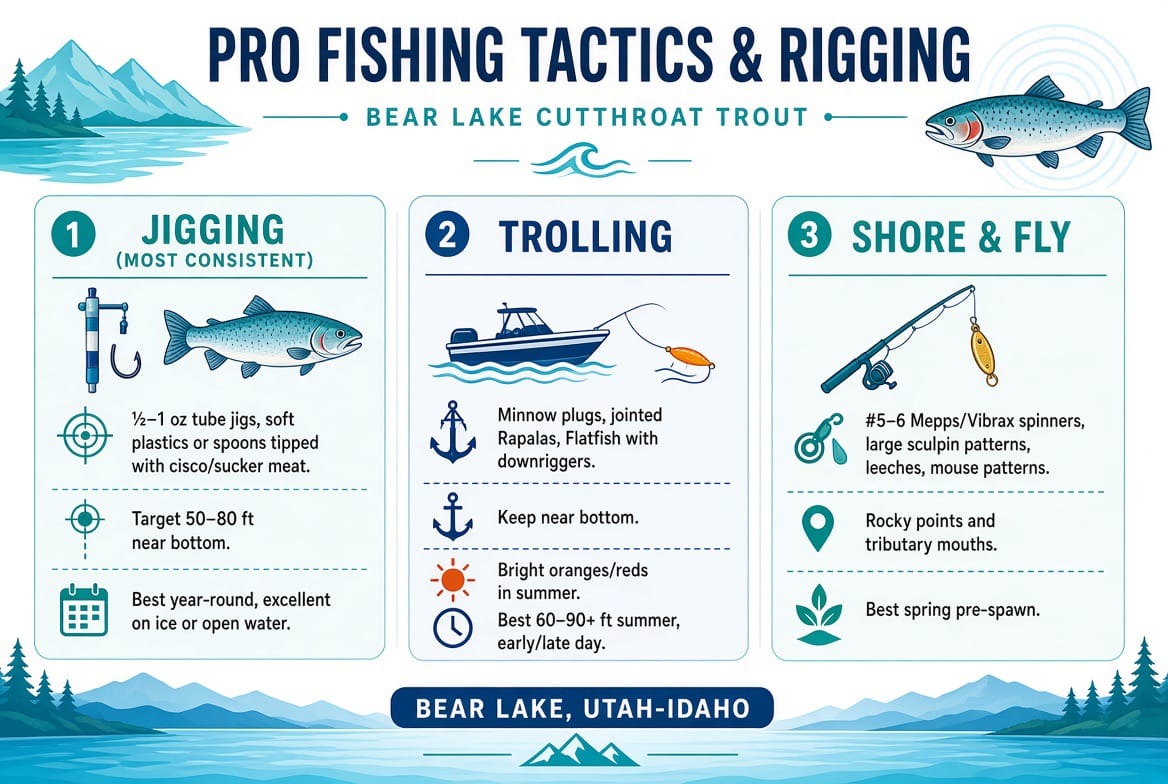
Pro Fishing Tactics & Rigging
Rules, Regulations & Clean Catch Ethics
• Daily limit: 2 trout (cutthroat or lake trout combined)
• Fin-clip rule: Retired. Any cutthroat may be kept up to the daily limit.
• Spawning closures: Tributaries and immediate mouth areas are closed from approximately April 15 through the second Saturday in July.
• Licensing: A valid Utah or Idaho license allows fishing the entire lake. Follow the rules of the state you are in.
Catch-and-release best practices: Land fish quickly, keep them in the water as much as possible, and minimize handling to protect their slime coat.
Why This Fish Matters
Bear Lake already supports four species found nowhere else on Earth (Bonneville cisco, Bear Lake whitefish, Bonneville whitefish, and Bear Lake sculpin). The native cutthroat completes the picture as the lake’s original top predator. Its recovery is living proof that focused habitat work and cooperative management can restore a nearly lost fishery.
Whether you are chasing a personal best or simply want to understand one of the signature species of the Bear Lake Valley, the cutthroat offers both challenge and a powerful conservation story.
For the complete seasonal breakdowns, depth charts, and ongoing reports, stay tuned to Bear Lake TV,