Bear Lake’s Cold Water Can Be Deadly
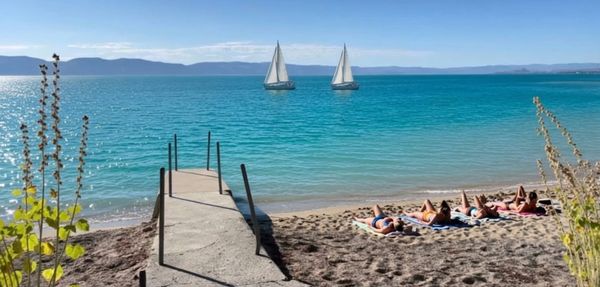
Bear Lake, renowned for its stunning turquoise waters and vibrant summer recreation, attracts thousands of visitors each year. Yet beneath its inviting surface lies a significant hazard that many underestimate: the persistently cold temperatures of the water.

Bear Lake’s Cold Water: A Hidden Danger That Can Be Deadly
Bear Lake, renowned for its stunning turquoise waters and vibrant summer recreation, attracts thousands of visitors each year. Yet beneath its inviting surface lies a significant hazard that many underestimate: the persistently cold temperatures of the water. Even during the height of summer, when air temperatures soar into the 80s and 90s Fahrenheit, immersion in Bear Lake can rapidly lead to cold shock, incapacitation, and hypothermia. Understanding these risks is essential for ensuring a safe and enjoyable visit to this beloved destination.
Why Bear Lake Water Remains Cold
Bear Lake’s unique geography contributes to its chilly waters. With an average depth of approximately 94 feet and sections exceeding 200 feet, the lake maintains low temperatures year-round due to its high elevation and significant water volume. Surface water temperatures typically peak in mid-to-late summer between 60°F and 70°F (15–21°C), often remaining in the low to mid-60s°F even on the warmest days.
This means that what feels like refreshing relief on a hot afternoon can quickly become life-threatening upon sudden immersion.
The Physiological Dangers of Cold-Water Immersion
Cold water triggers a series of dangerous bodily responses, even at temperatures that do not initially seem extreme:
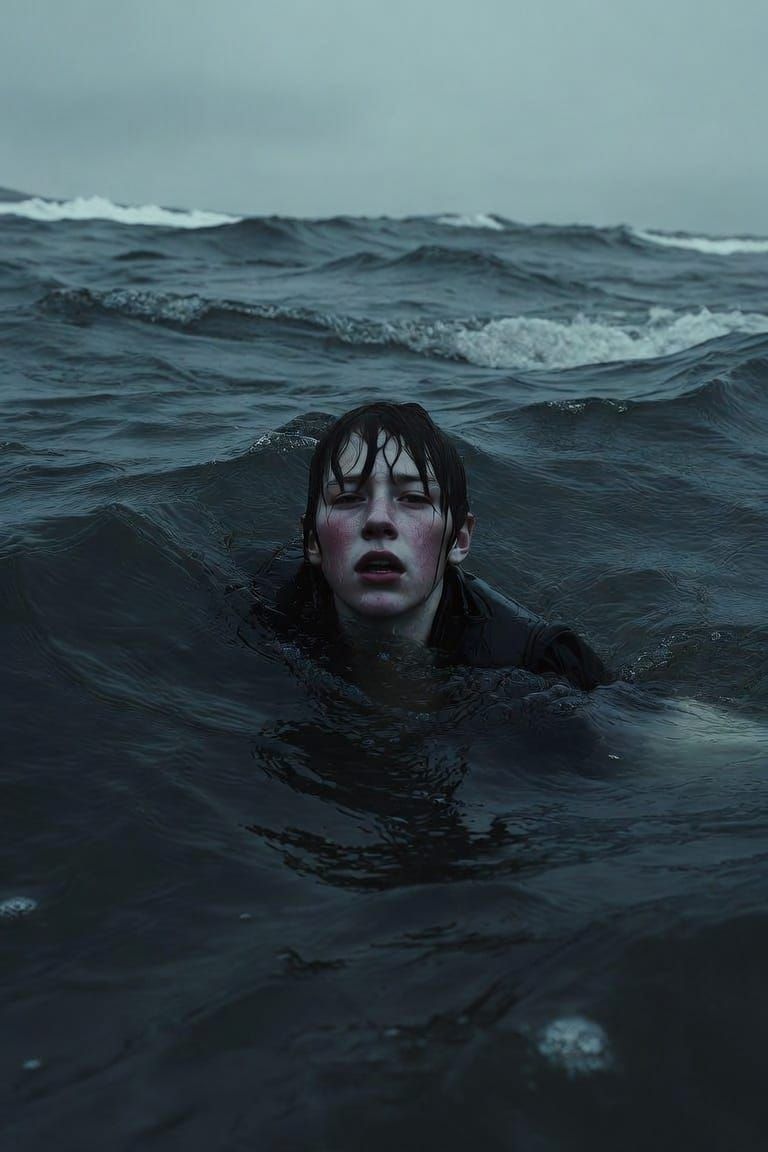
- Cold Shock Response: Upon entering water around 50–60°F (10–15°C), the body experiences an involuntary gasp reflex, hyperventilation, and a spike in heart rate and blood pressure. This can lead to immediate drowning if the head goes underwater, as the individual struggles to control breathing.
- Swimming Failure: Within minutes, muscle coordination deteriorates, making it difficult to swim or self-rescue. Exhaustion sets in rapidly.
- Hypothermia: The body loses heat up to 25 times faster in water than in air of the same temperature. Core body temperature drops, leading to confusion, loss of coordination, unconsciousness, and eventually cardiac arrest if not addressed promptly.
Tragically, these effects can occur in water temperatures common at Bear Lake, contributing to incidents such as the recent drowning of a 17-year-old who fell from a paddleboard.
Heightened Risks for Boaters, Swimmers, and Recreationists
Boaters and paddleboarders face particular peril from falls overboard, especially without proper flotation. Swimmers venturing beyond shallow beaches encounter deeper, colder layers. Children, older adults, and those unaccustomed to cold water are especially vulnerable. Alcohol consumption, common during summer outings, further impairs judgment and exacerbates physiological stress.
Local authorities, including the Idaho State Police and partnering agencies, actively emphasize these hazards during peak tourist season through increased patrols and public education efforts.
Essential Prevention Measures
Respecting Bear Lake’s cold waters requires proactive safety practices:
- Wear a Life Jacket: Always use a properly fitted, U.S. Coast Guard-approved life jacket when boating, paddleboarding, or engaging in water activities. It provides critical buoyancy and time for rescue.
- Dress Appropriately: Consider wetsuits for prolonged water exposure. Avoid cotton clothing, which retains water and accelerates heat loss.
- Supervise Children Closely: Ensure constant adult supervision near the water.
- Avoid Alcohol and Impaired Operation: Never operate watercraft or swim while under the influence.
- Know Your Limits: Enter the water gradually and stay close to shore if unprepared for cold conditions.
- Check Conditions: Monitor water temperatures and weather forecasts. Be prepared for sudden changes.
- Emergency Preparedness: Carry communication devices and inform others of your plans. Familiarize yourself with local search-and-rescue resources.
Enjoy Bear Lake Responsibly
Bear Lake offers unparalleled opportunities for recreation, family gatherings, and natural beauty. By recognizing the lethal potential of its cold waters and taking appropriate precautions, visitors can protect themselves and loved ones while preserving this treasured resource for future generations.
As local stewards and advocates continue to promote responsible enjoyment of the lake, education remains the most effective tool for prevention. Plan your visit with safety in mind, heed official guidance, and treat the water with the respect it demands.
Stay safe, wear your life jacket, and make every outing on Bear Lake a memorable one for the right reasons.